 Lujevit Editorial Team
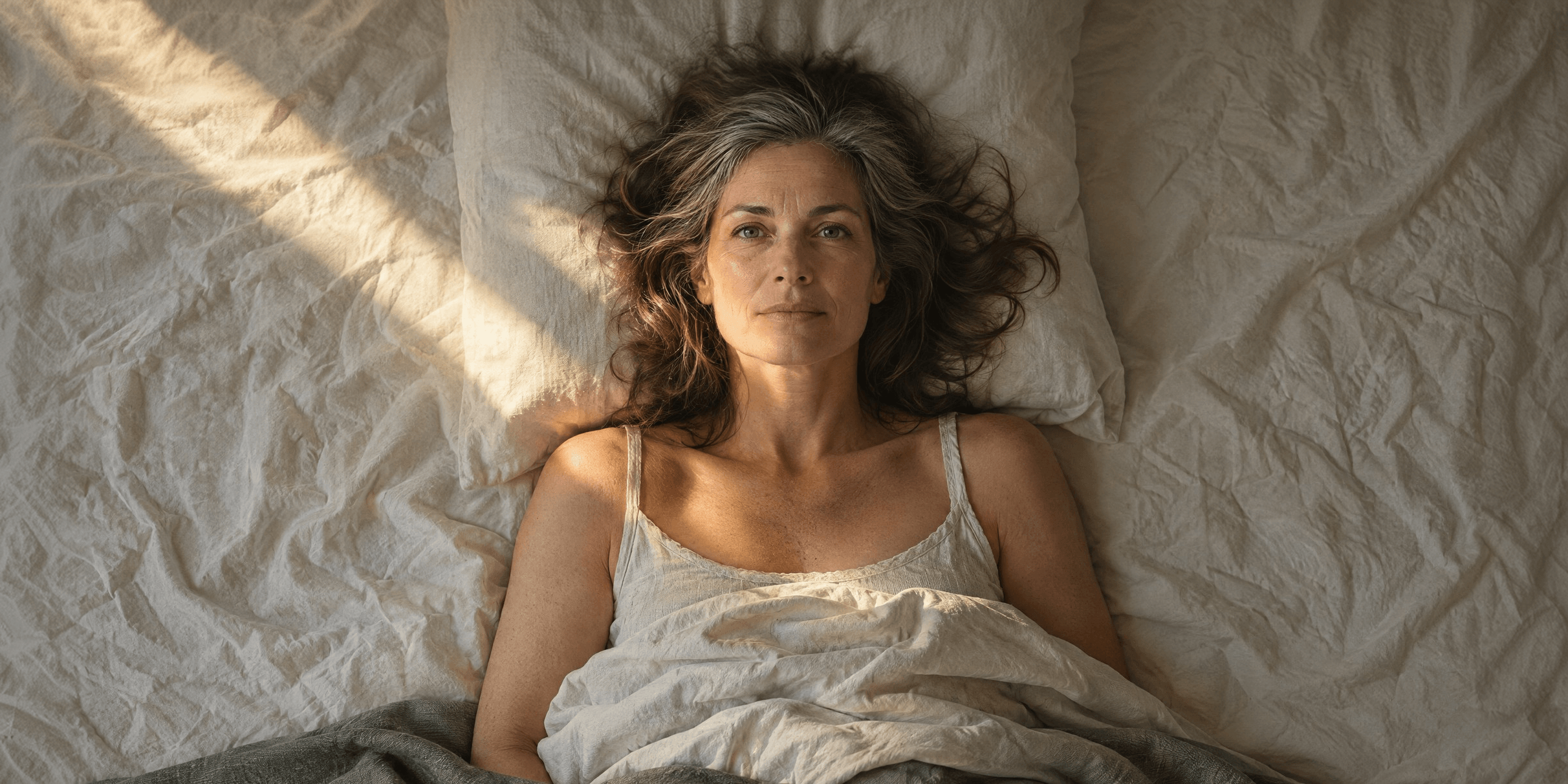
You did everything right. Lights out at a reasonable hour, eight hours in bed, maybe a decent score on your tracker. Then the alarm goes off and you feel like you barely slept. By mid-afternoon you're reaching for a second coffee you know will cost you tonight.
If you're still tired after 8 hours of sleep, you're not imagining it, and you're far from alone. Feeling tired is common and usually not caused by a serious illness. But when tiredness doesn't improve with enough sleep, good nutrition and lower stress, it's worth having it checked. This guide walks through the most common reasons people wake up tired after a full night, what you can try this week, and when it's time to talk to a doctor.
The short answer: Eight hours in bed doesn't guarantee eight hours of good sleep. The most common reasons you wake up tired are sleep that's lighter or more broken than you realize (from alcohol, late caffeine, stress, hormonal changes or sleep apnea), a mismatch between your schedule and your body clock, and medical causes such as low iron, low B12 or an underactive thyroid. Most of these can be identified, and many can be fixed.
Sleep Quantity vs. Sleep Quality
Most adults need at least seven hours of sleep a night. But hours are only part of the story. How rested you feel also depends on:
Continuity. How often your sleep is interrupted, even by awakenings you don't remember.
Depth. How much time you spend in the deeper stages of sleep and in REM sleep.
Timing. Whether you're sleeping at the times your body clock expects.
Eight hours in bed can easily mean seven hours of actual sleep, broken into pieces by brief awakenings. You can get the full quantity and still miss the quality. That's why "I slept eight hours" and "I slept well" aren't always the same thing.
Common Reasons You Wake Up Tired
Light or fragmented sleep
Sleep that's frequently interrupted leaves you less rested, even if the total hours look fine. One cause worth knowing about is obstructive sleep apnea, in which breathing repeatedly pauses or becomes shallow during sleep.
Sleep apnea isn't only a problem for men who snore loudly. Women's risk rises during and after menopause, partly because of hormonal changes. Women also tend to have different symptoms. They more often report daytime sleepiness and frequent awakenings than loud snoring, so they may not suspect the condition. Menopause itself can cause insomnia, headaches and fatigue, which makes sleep apnea harder to recognize.
If a partner has noticed pauses in your breathing, gasping or snoring, or if you wake with headaches or a dry mouth, mention it to your doctor. A sleep study can answer the question.
Alcohol and late caffeine
Alcohol helps many people fall asleep faster, which is why it feels like a sleep aid. It isn't one. A review of laboratory studies in healthy people found that alcohol, at every dose tested, shortened the time it took to fall asleep but made sleep more disrupted in the second half of the night. At moderate and high doses, it also reduced overall REM sleep. Researchers concluded that alcohol doesn't improve a full night's sleep. A glass of wine at dinner may be part of why you wake up at 3 a.m. or feel flat in the morning.
Caffeine works on a longer delay than most people think. In a small study published in the Journal of Clinical Sleep Medicine, 400 mg of caffeine (about four cups of brewed coffee) taken even six hours before bedtime cut objectively measured sleep by more than an hour. The participants didn't notice the disruption themselves. If your afternoon coffee is a large one, it may be shortening your night without you feeling it.
Stress and a busy mind
Stress keeps the body in a more alert state, and that alertness doesn't switch off just because you're in bed. A busy mind can mean taking longer to fall asleep, sleeping more lightly, or waking early and not getting back to sleep. Depression and anxiety are also common causes of fatigue. If low mood, worry or loss of interest have been building alongside the tiredness, that belongs in a conversation with your doctor, not just a change in bedtime.
Hormonal shifts in midlife
For many women, the years before and around menopause bring changes in sleep. Sleep problems are among the most common and bothersome symptoms of menopause, and changes in sleep can be one of the early signs of perimenopause, sometimes years before periods stop.
Hot flashes and night sweats can wake you repeatedly, even if you don't remember it in the morning. But they don't explain everything. Research shows that both hot flashes and hormone changes predict sleep problems, yet neither accounts for all of them, which means other factors such as stress and mood also play a role. If your sleep changed around the same time your cycle did, tell your doctor. There are effective, evidence-based options for menopausal sleep problems.
Nutrition gaps: iron, B12 and vitamin D
Some nutrient shortfalls are common, easy to test for, and closely linked to tiredness:
Iron. You don't have to be anemic for low iron to matter. In a randomized trial of 198 menstruating women with unexplained fatigue, normal hemoglobin and low ferritin (below 50 µg/L), 12 weeks of iron reduced fatigue more than placebo. Women who still have periods, especially heavy ones, are more likely to have low iron stores. Ask for a ferritin test rather than guessing. Iron supplements aren't harmless if you don't need them.
Vitamin B12. B12 deficiency affects about 2% to 3% of US adults. Risk factors include older age, limited dietary intake, and certain medications such as metformin and proton pump inhibitors (acid reflux medicines). Symptoms can include fatigue. A simple blood test can check your level.
Vitamin D. Low vitamin D is common, and it's often included in fatigue workups. The evidence that vitamin D supplements reduce everyday tiredness in otherwise healthy adults is limited and mixed. It's worth checking, but it's rarely the whole answer.
Too little movement, or too much
Both ends of the activity scale can leave you tired. Mayo Clinic lists both too little and too much physical activity among the common causes of fatigue.
On the "too little" side, the evidence that regular movement helps is solid: a meta-analysis of 66 studies found that regular exercise has a moderate beneficial effect on sleep quality, along with smaller improvements in how long people sleep and how quickly they fall asleep.
On the "too much" side, hard training without enough recovery, especially combined with a demanding job and short nights, can leave you running on empty. If you've recently ramped up workouts and your energy dropped at the same time, that's a clue.
The Cellular Side of Fatigue
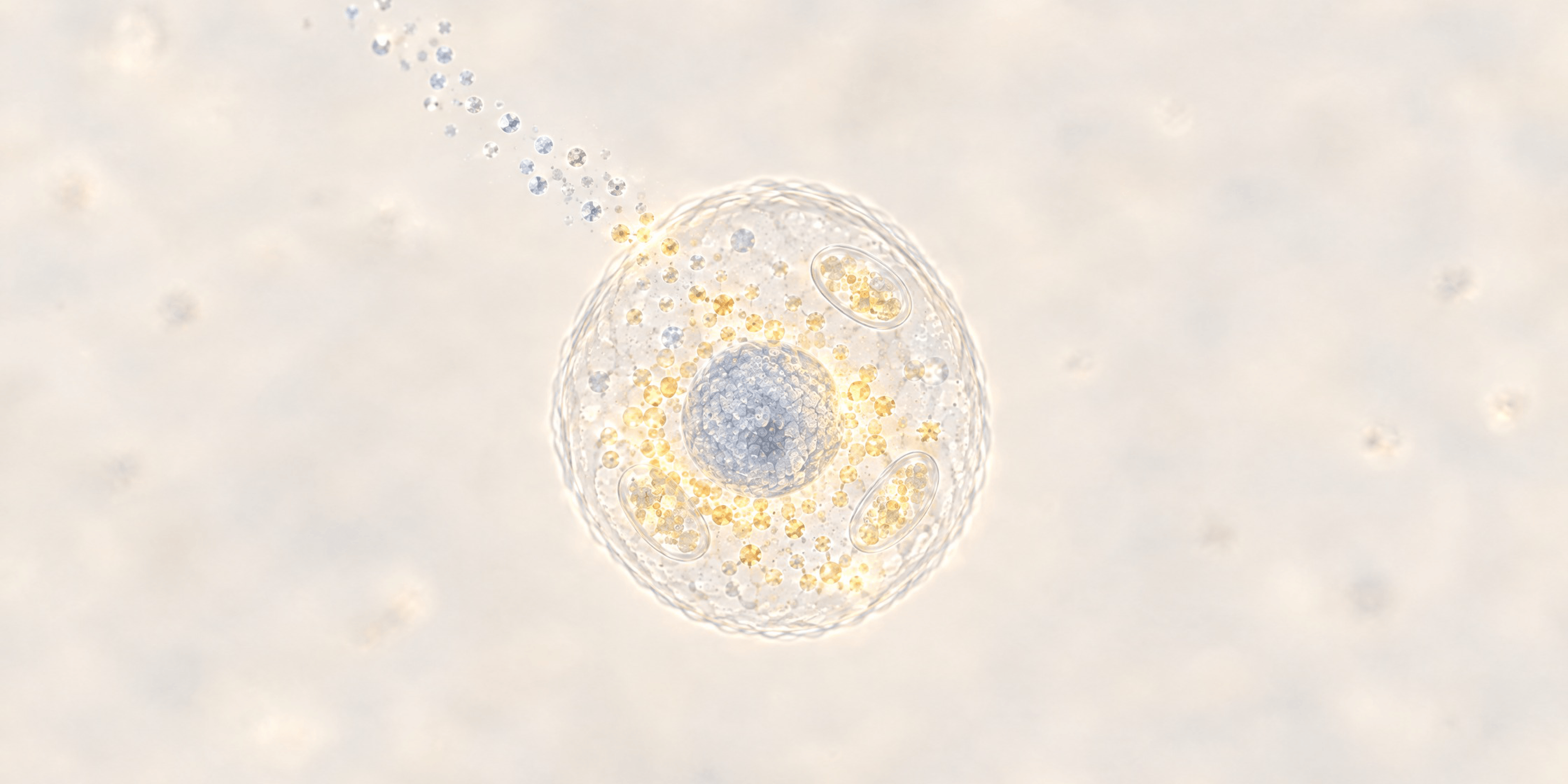
At the most basic level, energy is a cellular process. Your cells turn the food you eat into ATP, the fuel nearly every process in your body runs on. Most of that work happens inside the mitochondria, and it depends on helper molecules such as NAD+. Researchers have found that NAD+ levels tend to decline with age in several tissues, which is one reason cellular energy has become an active area of aging research.
It's tempting to draw a straight line from "my cells make less energy" to "that's why I'm tired." The honest picture is more complicated. Tiredness has many causes, most of the common ones are covered above, and research hasn't shown that cellular energy explains the everyday tiredness most people feel. Sleep, stress, hormones, iron, thyroid and medications should come first. They're more likely culprits, and they're testable and treatable.
If you're curious about the cellular side, our guide to what an NAD supplement is explains the science and what the research does and doesn't show.
When Tiredness Is a Reason to See a Doctor
If you've been tired for weeks and it isn't improving, call your doctor. That's especially important if the fatigue comes with any of the following:
snoring, gasping or pauses in breathing during sleep, or nodding off while driving;
unexplained weight change, feeling unusually cold, or dry skin;
very heavy periods or periods that have become irregular;
low mood, loss of interest, or anxiety that won't let up;
a new medication. Some allergy medicines and antidepressants can cause fatigue. Don't stop or change any medication without talking to your doctor first.
Thyroid problems are worth ruling out. Tiredness is the most common symptom of an underactive thyroid, and it's a condition that affects more women than men.
Seek care right away if tiredness comes with chest pain, shortness of breath, fainting, or sudden weakness. If low mood comes with thoughts of harming yourself, call or text 988 (Suicide & Crisis Lifeline) in the US.
What to bring to the appointment: when the tiredness started, what time of day it's worst, how it affects your life, and your sleep, caffeine and alcohol habits. It's reasonable to ask whether a blood count, ferritin, B12, vitamin D and thyroid tests make sense for you.
What to Try This Week
Treat the next seven days as an experiment. Change one or two things, not everything at once, and notice what shifts.
Keep one wake-up time, all seven days. Aim to stay within about an hour on weekends. A steady wake time anchors your body clock better than any bedtime rule.
Move your caffeine cutoff earlier. Since a large dose of caffeine six hours before bed still shortened sleep in the study above, try your last coffee before noon or early afternoon for a week.
Skip alcohol on weeknights. Or at least have it earlier and smaller. Notice whether the 3 a.m. wake-ups change.
Get daylight in the morning. Time outside in the morning, even on a cloudy day, helps set your internal clock.
Move every day. A brisk walk counts. Save very intense workouts for earlier in the day if late sessions leave you wired.
Make the bedroom cool and dark. This helps especially if night sweats are part of the picture.
Keep a simple log. Bedtime, wake time, caffeine, alcohol, and your energy at 10 a.m. and 3 p.m. Seven days of notes are more useful to you, and to your doctor, than a vague sense of being tired.
If a week of better habits barely moves the needle, that's useful information too. It points toward a cause worth testing for rather than a habit to fix.
Frequently Asked Questions
Why am I always tired, even on weekends?
If you're tired even after relaxed, well-rested weekends, sleep debt alone probably isn't the cause, and that's a good reason to see your doctor. If the tiredness is worst early in the week, one common reason is social jetlag: a gap between the schedule your body clock prefers and the one your work week demands. People whose natural rhythm runs late build up a sleep debt during the week and try to repay it on days off. Sleeping in on Saturday then shifts your clock later, which makes Monday harder.
Keeping your wake time within about an hour on weekends usually helps.
Can a sleep tracker tell me why I wake up tired?
It can show patterns, but it can't give you a diagnosis. In a lab comparison of seven consumer devices against overnight polysomnography, every device correctly identified sleep at least 93% of the time, but their accuracy at detecting time awake ranged from only 18% to 54%. Sleep-stage breakdowns are the least reliable part. Trackers mostly infer sleep from movement and heart rate, not brain activity.
There's also a downside to watching the numbers too closely. Sleep researchers coined the term orthosomnia after seeing patients who became anxious about their tracker data, in some cases trusting the device more than their own sleep study. Use your tracker for trends, such as your usual bedtime and how consistent your schedule is. Don't treat it as a diagnosis, and if your score worries you, bring the trend to your doctor rather than chasing a number.
References
Watson NF, et al. Recommended amount of sleep for a healthy adult: a joint consensus statement of the American Academy of Sleep Medicine and Sleep Research Society. Sleep. 2015;38(6):843–844. https://doi.org/10.5665/sleep.4716
MedlinePlus (US National Library of Medicine). Fatigue. https://medlineplus.gov/ency/article/003088.htm
National Heart, Lung, and Blood Institute. Sleep Apnea and Women. https://www.nhlbi.nih.gov/health/sleep-apnea/women
Ebrahim IO, et al. Alcohol and sleep I: effects on normal sleep. Alcohol Clin Exp Res. 2013;37(4):539–549. https://doi.org/10.1111/acer.12006
Drake C, et al. Caffeine effects on sleep taken 0, 3, or 6 hours before going to bed. J Clin Sleep Med. 2013;9(11):1195–1200. https://doi.org/10.5664/jcsm.3170
Sleep disturbance and menopause. Curr Opin Obstet Gynecol. 2025;37(2):75–82. https://doi.org/10.1097/GCO.0000000000001012
Vaucher P, et al. Effect of iron supplementation on fatigue in nonanemic menstruating women with low ferritin: a randomized controlled trial. CMAJ. 2012;184(11):1247–1254. https://pubmed.ncbi.nlm.nih.gov/22777991/
American Academy of Family Physicians. Vitamin B12 Deficiency: Common Questions and Answers. Am Fam Physician. 2025. https://www.aafp.org/pubs/afp/issues/2025/0900/vitamin-b12-deficiency
Mayo Clinic. When is it time to get fatigue checked out? https://www.mayoclinic.org/connected-care/when-is-it-time-to-get-fatigue-checked-out/cpt-20537513
Kredlow MA, et al. The effects of physical activity on sleep: a meta-analytic review. J Behav Med. 2015;38(3):427–449. https://pubmed.ncbi.nlm.nih.gov/25596964/
Covarrubias AJ, et al. NAD+ metabolism and its roles in cellular processes during ageing. Nat Rev Mol Cell Biol. 2021;22:119–141. https://doi.org/10.1038/s41580-020-00313-x
Carlé A, et al. Gender differences in symptoms of hypothyroidism: a population-based DanThyr study. Clin Endocrinol. 2015;83(5):717–725. https://pubmed.ncbi.nlm.nih.gov/25845636/
Wittmann M, Dinich J, Merrow M, Roenneberg T. Social jetlag: misalignment of biological and social time. Chronobiol Int. 2006;23(1–2):497–509. https://pubmed.ncbi.nlm.nih.gov/16687322/
Chinoy ED, et al. Performance of seven consumer sleep-tracking devices compared with polysomnography. Sleep. 2021;44(5):zsaa291. https://doi.org/10.1093/sleep/zsaa291
Baron KG, et al. Orthosomnia: are some patients taking the quantified self too far? J Clin Sleep Med. 2017;13(2):351–354. https://doi.org/10.5664/jcsm.6472
US Office on Women’s Health. Thyroid disease fact sheet. https://womenshealth.gov/sites/default/files/documents/fact-sheet-thyroid-disease.pdf
NIH Office of Dietary Supplements. Vitamin D: Fact Sheet for Health Professionals. https://ods.od.nih.gov/factsheets/VitaminD-HealthProfessional/
This article is for educational purposes and is not medical advice. If you're concerned about ongoing tiredness, talk to your doctor.

Share this post